Get Support Navigating the DfE's Education Estate Strategy
The Department for Education’s (DfE) new 10-year plan and £38 billion investment in national renewal set major expectations for education estate management.
The DfE is moving away from reactive interventions towards a strategic model of estate management built around:
– Proactive lifecycle planning
– Data-led capital allocation
– Renewal before rebuild
– Clearer expectations for estate management standards
– Stronger integration of SEND, early years, and community infrastructure
These changes increase pressure on already stretched estate and operational teams as leaders have to rapidly adapt to deliver projects aligned to new national standards.
Your organisation does not need to face this alone.
At Barker, we help schools and trusts interpret the strategy and turn it into a clear, actionable plan.
We support everything from strategic direction and estate data improvement to securing funding and delivering the projects required to meet the new expectations.
The new strategy brings major new expectations and significant pressure on resource‑stretched estate teams.
Rising Standards – Leaders must demonstrate clearer oversight, more strategic decision-making, and robust estate governance aligned with national standards.
Data and Digital Are Mandatory – The DfE is introducing Manage Your Education Estate, a new digital platform that brings condition data, guidance, and tools together. From Autumn 2026, Responsible Bodies must submit annual estate management returns to demonstrate they meet the standards.
Major Changes To Funding Models – CIF is being phased out by 2028 and replaced by a new model based on granular estate data rather than competitive bidding. Schools with incomplete or outdated data risk missing out on future investment.
SEND Spaces Are Required For All Secondary Schools – New national ambitions require inclusion-based education in every secondary school and improved accessibility standards.
Increased Focus on Renewal – Government funding will now favour full renewals (e.g., replacing roofs, heating systems) to extend building life by 15–40 years, rather than small repairs.
Barker is an integrated property consultancy and trusted advisor to schools, trusts, colleges, and universities across the country.
We are affiliated partners to the Confederation of School Trusts (CST), Association of School and College Leaders (ASCL), Institute of School Business Leadership (ISBL), and The Trust Network (TTN), giving you the peace of mind that you are working with the sector experts.
We are proud to work with many educational organisations and some of the largest multi-academy trusts in the UK.
If you need help navigating the new Education Estate Strategy, Barker can help.
Our in-house Education Specialists will guide you through the new system and support you in planning, designing, and delivering your upcoming projects in line with the new requirements.



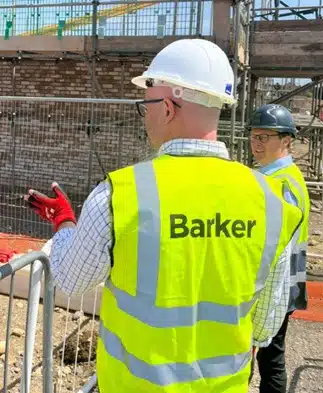
The new strategy raises expectations around governance, statutory compliance, and visible estate‑level risk management.
Barker helps schools meet these requirements by delivering condition surveys, risk assessments and alignment with estate management standards that leaders are now expected to follow.
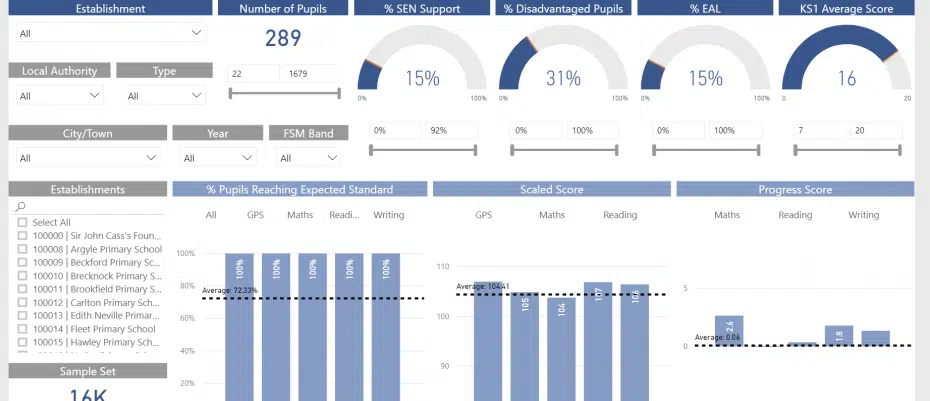
The strategy introduces mandatory digital transformation, including the new Manage Your Education Estate service and annual estate management returns from Autumn 2026.
Use the EO Portal to ensure your estate data is complete, accurate, digital and ready for the national standards that the DfE is moving towards.

With CIF being phased out by 2028 and future funding depending on “granular and timely estate data,” trusts must shift to evidence‑based capital planning.
Our in-house estate experts will support you in building long‑term, strategic investment plans that align with funding priorities.

Government policy now prioritises major renewal projects over patch‑and‑mend repairs, focusing on extending building life by 15–40 years.
As a multi-disciplinary property consultancy, we will design and deliver these projects efficiently, including SEND‑compliant inclusion bases and modern, climate‑resilient facilities aligned with the new strategic pillars.