

Created: 18th May, 2026

Gareth joined Barker in 2024, based in our Essex head office.
He is a Chartered Civil Engineer with more than 20-years’ experience in Civil Engineering solutions & has lead both Civil & Structural Engineering teams on projects from conception to project delivery, with values exceeding a billion pounds both nationally and internationally.
He holds a deep understanding of Infrastructure Engineering, focused on a value led design ethos to complex situations, which has allowed the positive integration of infrastructure into coordinated design masterplans across all sectors.
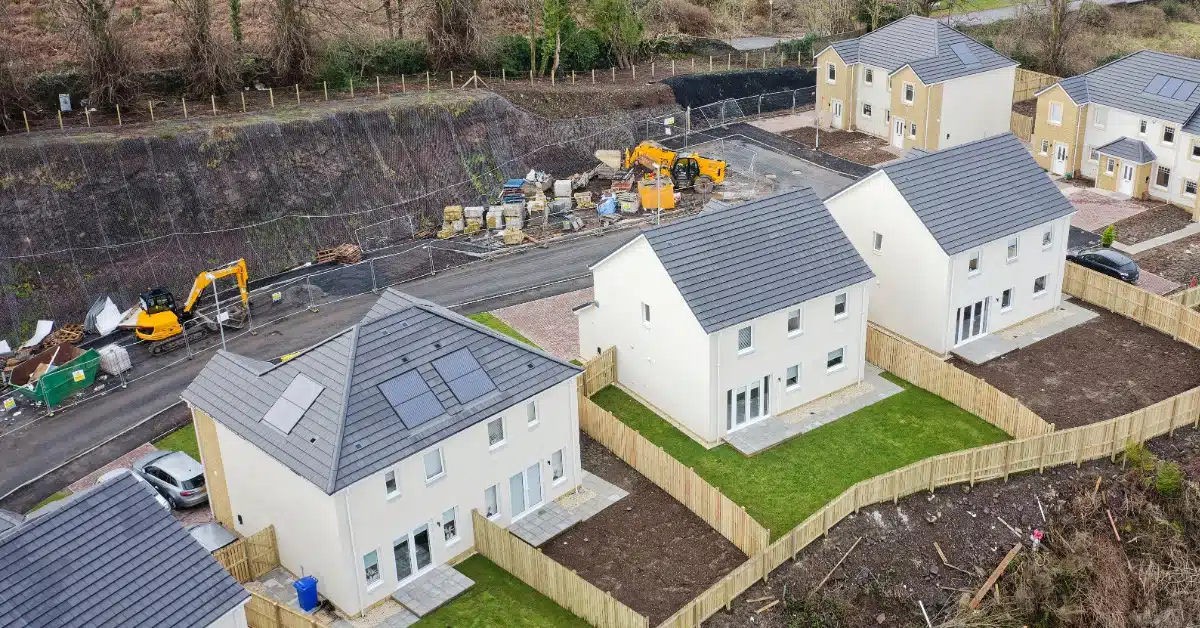
The Government has published the Future Homes Standard (FHS), signalling one of the most significant shifts in UK housing design in recent years. The Standard introduces mandatory requirements for on-site renewable energy, including solar PV and low carbon heating systems such as air source heat pumps and heat networks for almost all new homes.
The ambition is clear: to accelerate the transition to low-carbon, energy-efficient homes, improve long-term energy security, reduce household bills, and prevent the need for expensive future retrofits.
The FHS also reflects lessons learned from recent energy price shocks and supports the UK’s wider net zero and clean energy goals.
Industry bodies across the built environment have welcomed the publication of the FHS, highlighting its potential to enhance build quality, energy performance and resilience.
However, they also note ongoing challenges, including rising construction costs, supply chain capacity, and sector-wide skills shortages.
To help the industry adapt, the Future Homes Hub continues to coordinate readiness programmes and share best practice across developers, consultants and contractors.
The Future Home Standard introduces several design challenges and opportunities across all disciplines, not just MEP, but also civil and structural engineering.
Solar panels and heat pumps are no longer optional add-ons. They must be embedded into the design of almost all new homes, driving a shift toward early, integrated sustainability planning.
This has direct implications for both structural and civil engineering.
From a structural perspective, this includes roof loading, uplift resistance and fixing strategies, as well as the impact of thermal build-ups on structural zones.
Civil engineering considerations include external plant bases, drainage for inverters and plant rooms, and trenching for heat pumps and electrical infrastructure.
Roof geometry, electrical infrastructure, ventilation strategy and thermal performance all need to be aligned from the concept stage to avoid costly redesign. For civil and structural engineers, this involves:
The drive for low-carbon homes will boost demand for engineers with expertise in heat pumps, renewable energy, thermal modelling, structural integration of PV systems, and sustainable drainage. Upskilling across all engineering disciplines will be critical.
Low-carbon technologies can create pressure on budgets. Engineering teams (MEP, civil and structural) play a vital role in identifying the most cost-effective, compliant solutions, reducing redesign risk, and ensuring buildability.
The Future Homes Standard turns low‑carbon systems from optional add‑ons into permanent physical constraints that civil and structural engineers must design around from the concept stage, which reinforces Barker Associates’ focus on early risk management and valued design.
“The Future Homes Standard raises expectations for what new housing must deliver: improved performance, lower emissions and long-term resilience.” – Adam Wardley, Partner & Head of MEP at Barker
Meeting the Future Homes Standard requires a joined-up approach across planning, engineering, surveying, sustainability and project delivery. This is where Barker’s multidisciplinary model provides real value.
Our team combines MEP engineers, civil and structural specialists, sustainability consultants, building surveyors and project managers to deliver fully integrated, compliant design solutions. From feasibility through to detailed design, we help clients:
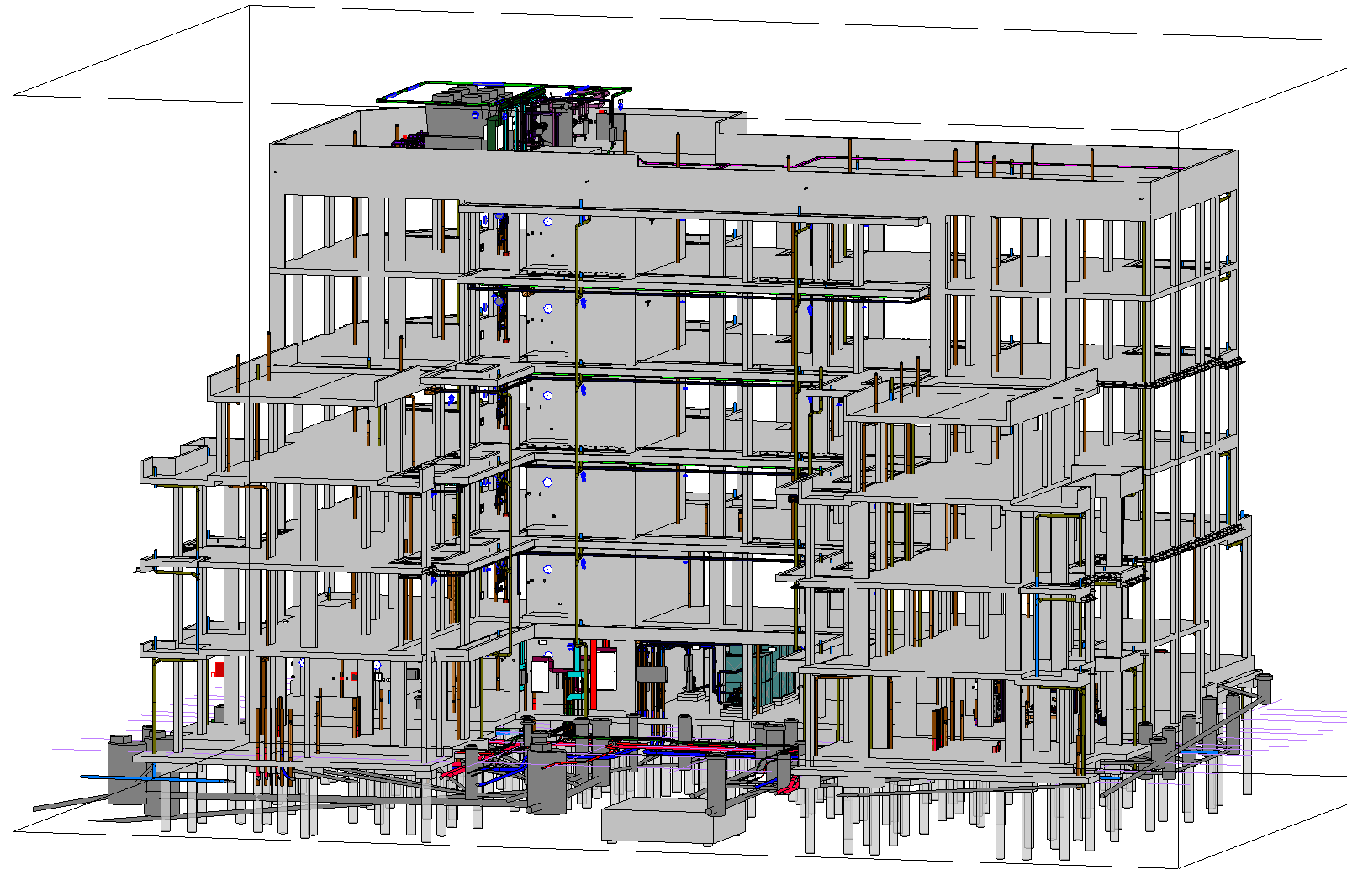
By bringing all disciplines together from the start, Barker ensures every project is coordinated, efficient and fully aligned with the Future Homes Standard, reducing risk and creating better performing homes for the future.
“Our MEP and engineering teams are working closely with clients to navigate these requirements, providing early design intelligence and technical clarity. By combining engineering expertise with practical, whole-life thinking, we help ensure that FHS compliance strengthens the quality and sustainability of every project.” – Adam Wardley, Head of MEP
If you’re preparing for the Future Homes Standard or need specialist support with solar PV design, heat pump strategy, structural integration, drainage planning, energy modelling or FHS compliance, our team is here to help.