

Ely College – Energy Dashboard
Ely, Cambridgeshire



Jonathan joined Barker following a successful career working in management consultancy within the education sector both at central government and local level. This culminated in the formation of his own company, EO Consulting, which became part of Barker in 2018.
Jonathan builds strategic partnership with clients. He presents practical and innovative solutions to the complex challenges faced by clients in estates and energy management.
By combining his vast sector knowledge with data and analysis he helps organisations to achieve their sustainability goals, deliver organisational transformation and improve operational effectiveness.
Email: jcoyles@barker-associates.co.uk
Tel: 01279 297805
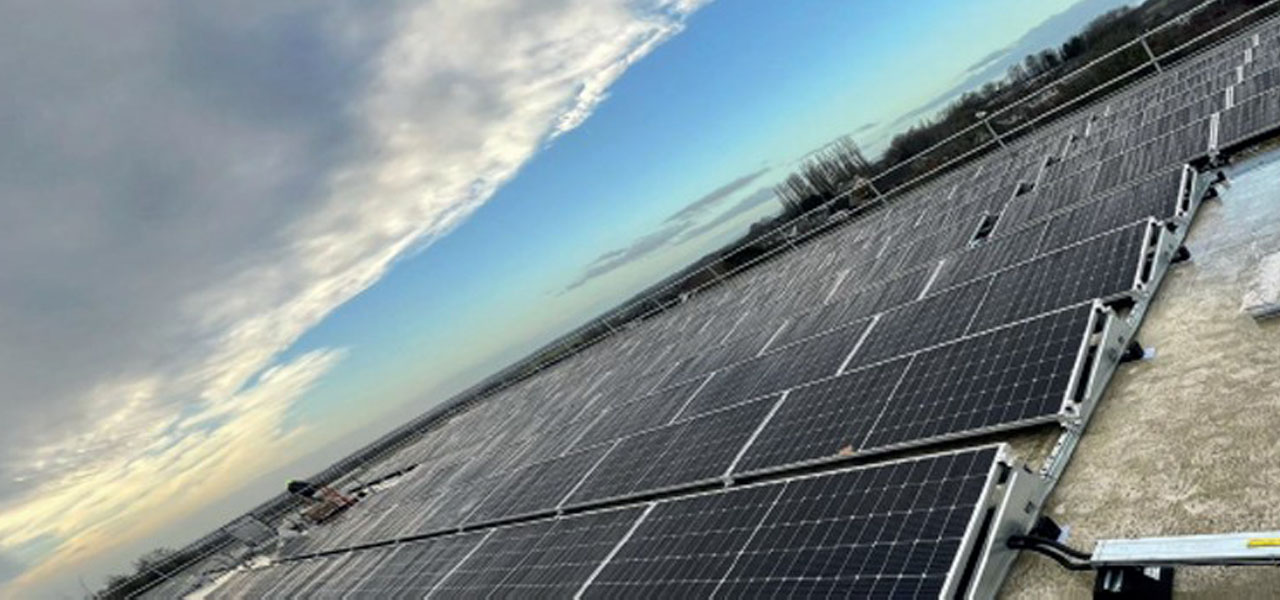
E-ACT Multi Academy Trust consists of 37 schools, including primaries and secondaries. The MAT approached Barker with an initial request for an energy dashboard to monitor and assess the implementation of decarbonisation technology across its schools. Barker has since successfully installed solar PV and LED lighting provisions across the entire estate, including schools in London, Bristol, and Sheffield.
Barker carried out extensive feasibility studies across 28 sites to establish the roof conditions, planning constraints, electrical infrastructure, and structural conditions for the selected areas for the works. Detailed solar PV and LED designs were required to meet the Trust’s energy and financial savings requirements.
Barker was also commissioned by E-ACT to collate, display and track the Trust’s energy data via our EO Portal.
Barker’s M&E teams supported the initial PV and LED designs from design development to approval. To avoid confrontation with student timetables and potential H&S coordination issues, the works commenced in the summer. Careful project and risk planning allowed for the timely delivery of this project, and the programme contract works were completed within 12 months.
Working alongside the Trust, Barker successfully delivered both solar PV and LED lighting installation projects across the Trust’s nationwide estates, accomplishing both cost and energy savings for the schools. Our successful ongoing collaboration with the Trust has led to our nomination in the MAT Excellence Awards as a shortlisted finalist.
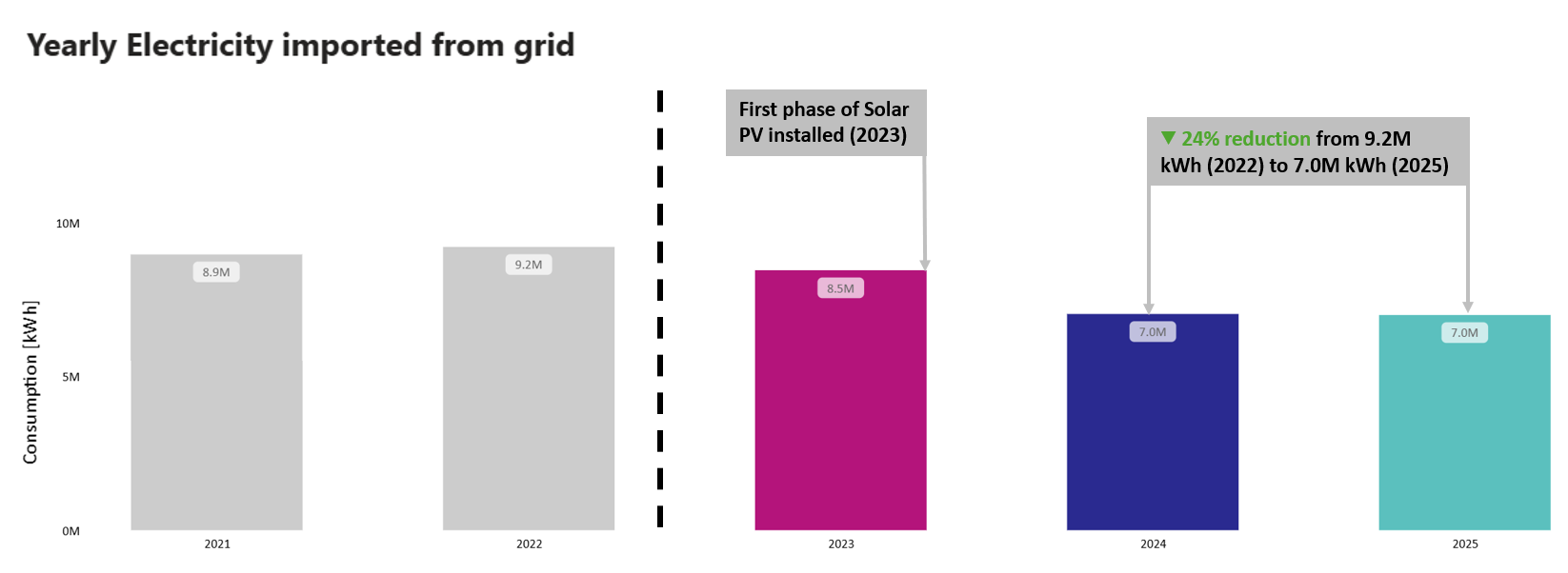
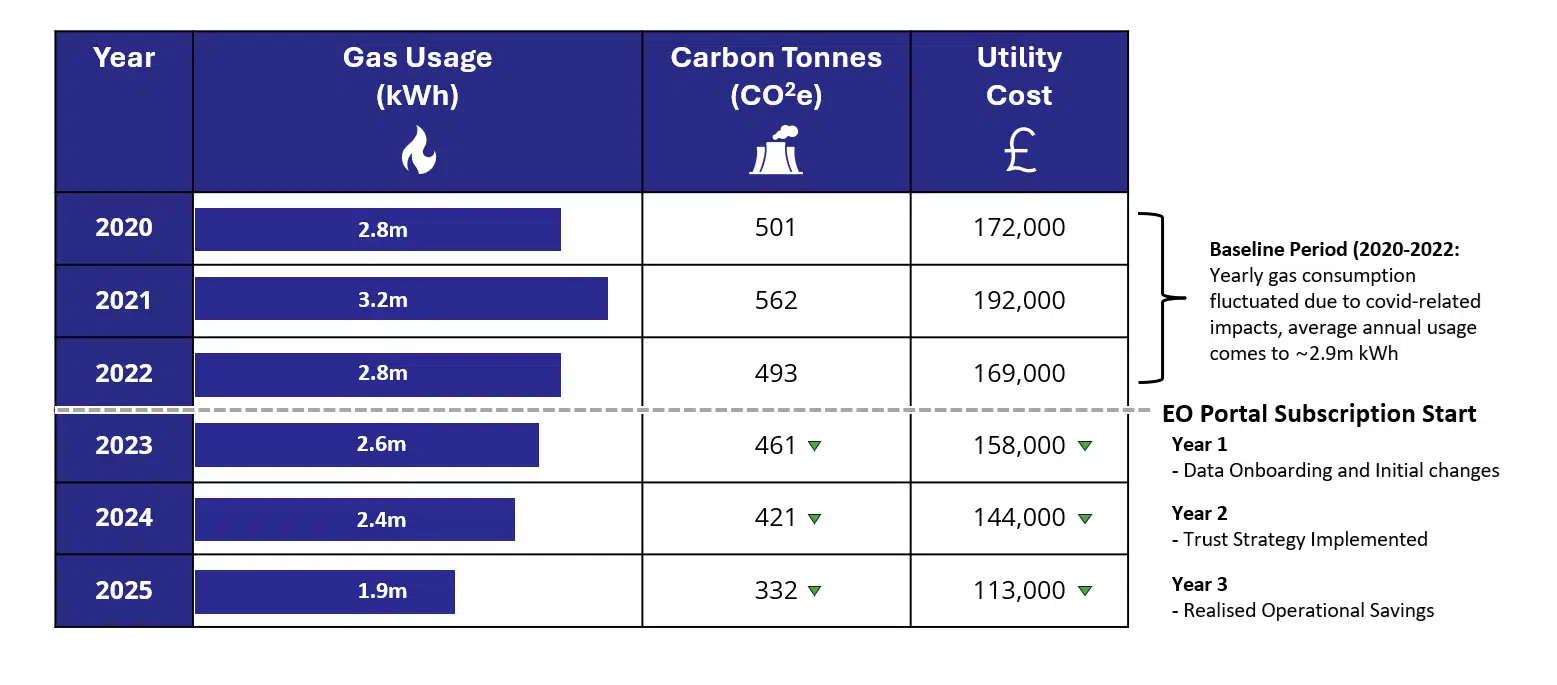
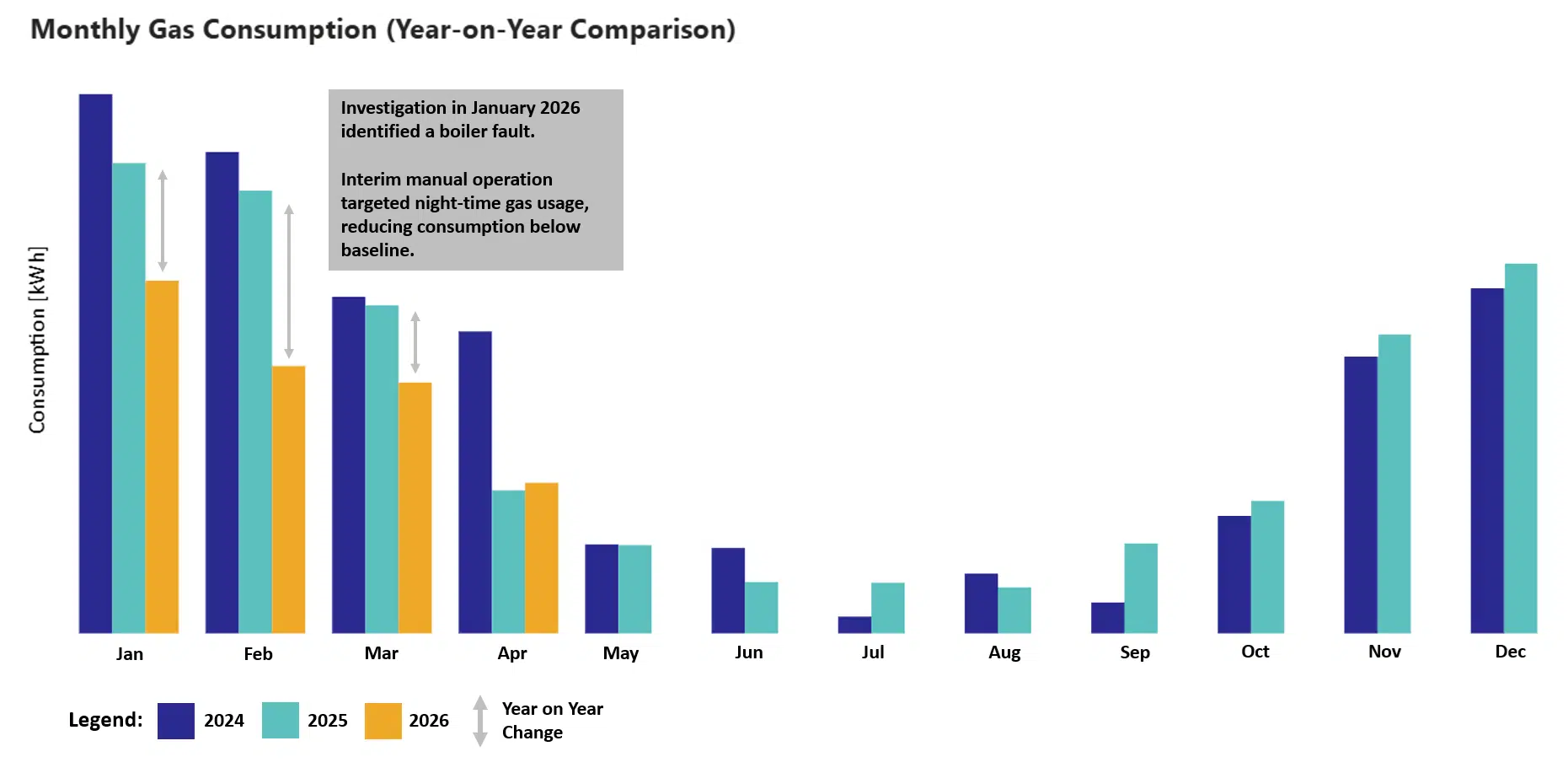
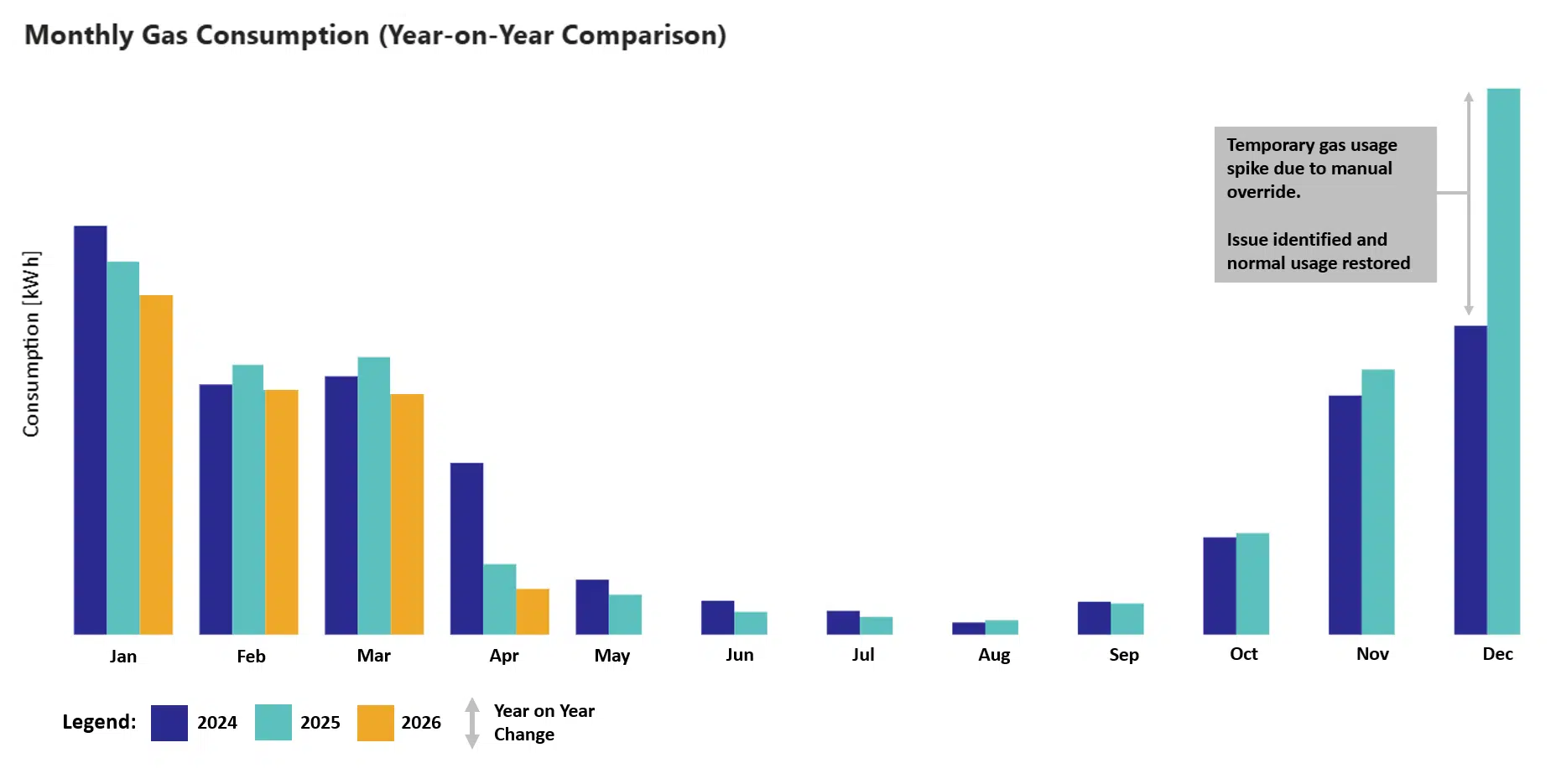
Additionally, our work on the Trust’s portal demonstrates the substantial benefit on data consumption and energy costs for each school. Yearly consumption trends for the school showcase a reduction in overall energy usage:
Baseline electric consumption from grid for 2022 (prior to solar installation) was 9.2 million kWh
In 2024 and 2025, consumption reduced to 7 million kWh, netting the school a 25% reduction on consumption profile year on year
The solar energy generated across all schools is equivalent to a reduction of 599 tonnes in Co2 emissions